


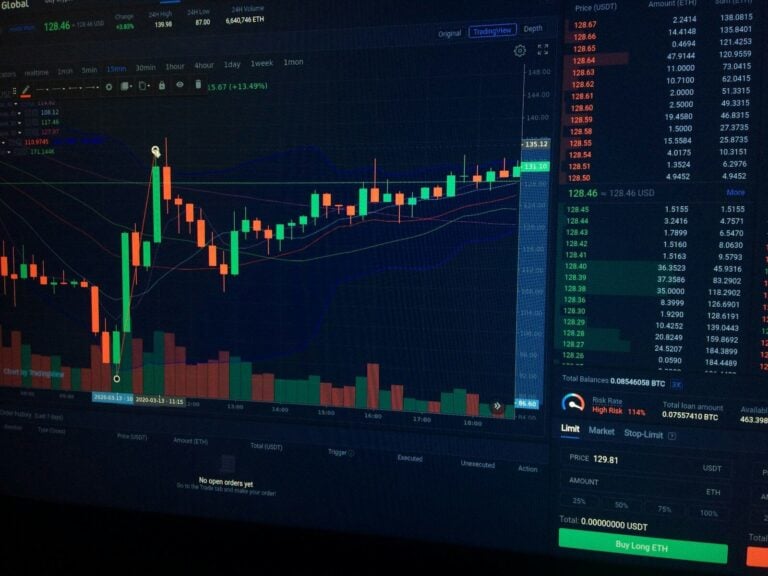
The digital asset ecosystem has evolved rapidly over the past decade, transforming from a niche financial experiment into a multi-trillion-dollar global market. However, as the cryptocurrency industry matures, it attracts the attention of financial watchdogs, law enforcement agencies, and global policymakers. For everyday traders, institutional investors, and fintech entrepreneurs, understanding how compliance, legal frameworks, and digital security intersect is more crucial than ever.
Navigating this complex landscape requires a firm grasp of how centralized platforms manage user funds, why accounts get frozen, and where to find legitimate, licensed providers. This comprehensive guide explores the mechanisms behind asset blocking, the operational realities of modern digital asset platforms, and the regulatory licenses that keep the ecosystem secure.
The Rise of Digital Asset Regulation
In the early days of decentralized finance and digital currencies, transactions occurred largely outside traditional financial supervision. While this fostered unprecedented innovation and financial inclusion, it also created vulnerabilities for illicit activities, tax evasion, and fraud.
Governments worldwide have responded by integrating digital assets into existing financial frameworks or creating entirely new legal paradigms. Regulatory bodies—such as the U.S. Securities and Exchange Commission (SEC), the Financial Conduct Authority (FCA) in the UK, and the European Securities and Markets Authority (ESMA)—now enforce strict anti-money laundering (AML) and know-your-customer (KYC) mandates.
Compliance is no longer optional for platforms operating within mainstream jurisdictions. To legally offer trading pairs, custody solutions, and fiat-to-crypto gateways, companies must secure proper legal authorizations. For those looking to understand the legal credentials required to operate legally, reviewing official guidelines on regulation licences provides essential insight into how compliance standards vary across different global jurisdictions.
Understanding Asset Freezes and Account Blocking
One of the most pressing concerns for modern digital asset holders is the risk of unexpected account suspension or fund confiscation. Unlike physical cash stored in a private wallet, assets held on centralized platforms are subject to the terms of service and legal obligations of the operating company.
Why Do Centralized Platforms Freeze Funds?
When a centralized trading platform restricts access to an account, it is rarely done arbitrarily. Compliance departments are bound by strict legal frameworks that mandate immediate action under specific circumstances:
- Law Enforcement Requests: If a government agency or court order flags an address or user profile linked to illicit activity, hacks, or cybercrime, platforms are legally required to freeze the associated assets instantly.
- Suspicious Activity Reports (SARs): Automated monitoring systems track blockchain transactions for anomalous behavior, such as sudden large transfers, mixing service interactions, or connections to known darknet entities.
- KYC and AML Verification Failures: Users who fail to provide updated identity documents, proof of funds, or tax residency information upon request often find their withdrawal privileges temporarily or permanently suspended.
- Sanctions Compliance: Global sanctions lists (such as OFAC in the United States) prohibit companies from providing financial services to individuals or entities located in restricted countries or designated on watchlists.
To dive deeper into the mechanics of why accounts get locked, how compliance teams investigate transactions, and what steps users can take to safeguard their portfolios, read more about intokened and its detailed analysis on modern financial security.
The Role of Centralized Platforms in the Ecosystem
Despite the growth of decentralized finance (DeFi), centralized venues remain the primary gateway for millions of retail and institutional participants entering the digital economy. These platforms offer high liquidity, user-friendly interfaces, fiat onboarding, and advanced trading tools.
However, entrusting your capital to a third party means relinquishing direct control over your private keys. When choosing where to trade, store, or stake digital currencies, users must evaluate the platform’s security track record, reserve transparency, and jurisdictional standing.
Key Features of Reputable Trading Venues
- Proof of Reserves (PoR): Top-tier platforms regularly publish cryptographic audits proving they hold enough assets to cover all user balances 1:1.
- Insurance Funds: Dedicated safety reserves protect users against catastrophic losses resulting from platform hacks or technical failures.
- Cold Storage Solutions: The vast majority of user funds should be kept offline in secure, multi-signature cold wallets away from potential online attack vectors.
For a curated overview of the leading platforms operating in the current market, you can explore various regulated exchanges that prioritize user security, regulatory compliance, and transparent fee structures.
Best Practices for Protecting Your Digital Assets
As regulatory scrutiny tightens and platforms implement stricter controls to comply with global standards, traders must adopt proactive habits to prevent account freezes and secure their investments.
1. Complete KYC and Maintain Updated Documentation
Never use fake or masked information when creating an account on a centralized platform. If compliance officers request source-of-wealth documentation or updated identification, provide clear, accurate records promptly. Transparency is your best defense against prolonged account reviews.
2. Understand Self-Custody Alternatives
The golden rule of digital asset management is: Not your keys, not your coins. While centralized platforms are convenient for active trading, holding your long-term investments on a hardware wallet (such as a Ledger or Trezor) completely eliminates the risk of third-party asset freezing.
3. Separate Trading Capital from Long-Term Holdings
Keep only the funds necessary for active day-trading or short-term strategies on centralized platforms. Move your profits and long-term investments into self-custody wallets where you maintain absolute sovereign control over your private keys.
4. Monitor Transaction Pathways
Be mindful of where your funds originate and where they are sent. Interacting with high-risk decentralized protocols, mixing services, or unregulated peer-to-peer platforms can trigger automated risk flags on compliant centralized venues, leading to frozen deposits.
The Future of Compliance and User Freedom
The intersection of regulatory oversight and digital assets will continue to shape the financial landscape for years to come. While strict rules regarding AML, KYC, and asset blocking can sometimes create friction for everyday users, they are essential steps toward mainstream institutional adoption and consumer protection.
By staying informed about regulatory developments, choosing compliant and licensed service providers, and practicing good security hygiene, participants can successfully navigate the complexities of the modern digital economy. Balance, vigilance, and education remain the ultimate tools for thriving in a rapidly evolving financial world.

0 Comments