


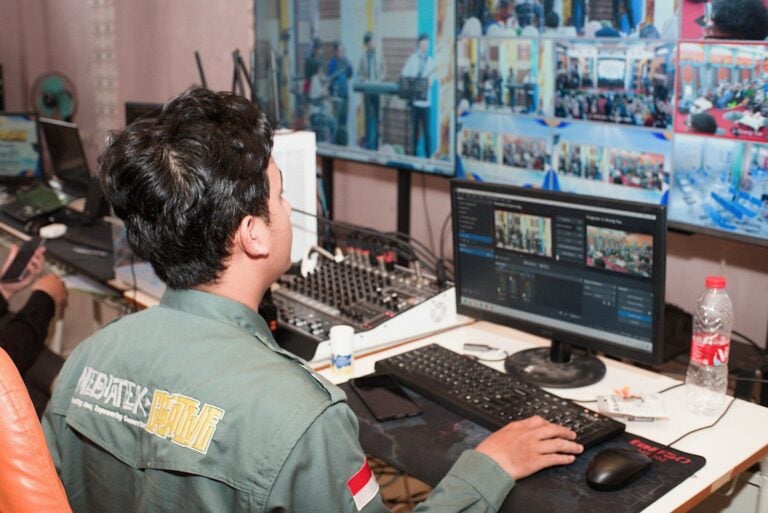
By 2040, artificial intelligence could fundamentally transform non-emergency medical transportation (NEMT). Automated scheduling, predictive routing, and intelligent dispatch software may handle tasks currently performed by human dispatchers.
But will AI completely replace transportation professionals? The future may involve a combination of advanced automation and human expertise.
How AI Could Transform NEMT Dispatching
Today, NEMT dispatchers coordinate medical appointments, assign vehicles, monitor trips, and communicate with passengers and healthcare facilities.
By 2040, AI-powered transportation platforms could automate many of these responsibilities.
Future NEMT software may offer:
- Automated scheduling: Processing transportation requests and assigning suitable vehicles.
- Predictive routing: Anticipating traffic delays and adjusting routes automatically.
- Voice AI: Answering passenger calls, confirming reservations, and providing trip updates.
- Smart vehicle matching: Selecting wheelchair-accessible vehicles based on passenger requirements.
- Digital trip verification: Monitoring completed journeys and identifying billing discrepancies.
These technologies could reduce administrative workloads and improve transportation efficiency.
Predictive Dispatching: Preventing Problems Before They Happen
One of the most promising developments is predictive transportation management.
Instead of reacting to delays, AI could identify potential disruptions before they affect passengers.
For example, if a vehicle is likely to arrive late, intelligent dispatch software could recommend another available driver.
AI could also coordinate recurring transportation for dialysis, rehabilitation, and other medical treatments.
By analyzing traffic conditions, historical trip data, and vehicle availability, transportation platforms may improve scheduling accuracy and reduce waiting times.
Could AI Manage an Entire NEMT Network?
By 2040, integrated AI platforms could potentially coordinate thousands of medical trips across multiple transportation providers.
Such systems might connect dispatch operations, GPS tracking, billing software, and healthcare scheduling platforms.
When a patient completes a medical appointment, the system could automatically arrange return transportation.
Hospitals and transportation brokers could receive real-time updates without relying on repeated telephone calls.
However, these systems would require reliable data, strong cybersecurity, and appropriate protection of patient information.
Why Human Dispatchers Will Still Matter
Despite advances in automation, NEMT involves challenges that software cannot always resolve independently.
Passengers may require specialized assistance, accessible vehicles, or support during unexpected situations.
Human dispatchers will likely remain important for:
- Managing complex transportation emergencies and disruptions.
- Resolving passenger complaints.
- Coordinating unusual accessibility requirements.
- Supervising automated transportation decisions.
- Communicating with healthcare facilities and caregivers.
Rather than disappearing, the dispatcher profession may evolve toward supervising intelligent transportation systems.
The NEMT Dispatcher of 2040
The transportation dispatcher of the future could become an AI operations specialist.
Instead of manually assigning every vehicle, professionals may monitor automated systems, review unusual situations, and ensure transportation quality.
AI could handle repetitive scheduling tasks while human specialists focus on passenger safety, accessibility, and complex decision-making.
The extent of this transformation will depend on technology adoption, regulatory requirements, and the reliability of automated systems.
Frequently Asked Questions
Will AI replace NEMT dispatchers by 2040?
AI may automate many routine tasks, but complete replacement remains uncertain. Human oversight and passenger assistance will likely remain necessary.
Can AI schedule medical transportation automatically?
Yes. AI-supported software can assist with scheduling and vehicle assignments. Future systems may automate more complex transportation workflows.
Will AI reduce NEMT operating costs?
Automation could reduce administrative expenses and improve vehicle utilization, although implementation and maintenance costs must also be considered.
Can AI manage wheelchair-accessible transportation?
AI can help match passengers with suitable vehicles, but accurate accessibility information and human supervision remain essential.
Conclusion: The Future of NEMT Dispatching
By 2040, artificial intelligence could transform how medical transportation is scheduled, monitored, and managed.
Predictive dispatching, automated reservations, and integrated transportation software may improve operational efficiency and service reliability.
However, the future of NEMT is unlikely to depend on automation alone.
The most effective transportation systems may combine intelligent software with trained professionals who understand passenger needs.
Ultimately, the goal is not simply to replace dispatchers, but to make medical transportation more accessible, reliable, and efficient.

0 Comments