


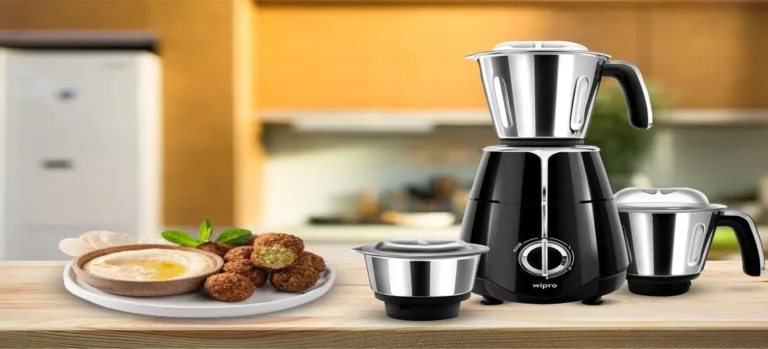
From freshly ground coriander chutney to the masala paste that forms the base of a curry, grinding is an important part of Indian cooking. But not every kitchen needs the same kind of appliance. Someone who occasionally prepares chutneys may have very different requirements from a household that regularly grinds spices, coconut or batter.
Choosing the right mixer and grinder starts with understanding what you cook most often. Instead of focusing only on motor power or the number of jars, consider how these features will fit into your daily preparation routine.
Start With Your Everyday Cooking Requirements
Before comparing models, think about the ingredients you regularly prepare.
Do you primarily blend tomato purees and ginger-garlic paste? Or do you frequently grind dry spices, prepare thick chutneys and work with tougher ingredients?
These tasks place different demands on a mixer grinder, making it useful to identify your priorities first.
For example:
- Chutneys and pastes: Look for a suitable small jar that can handle smaller quantities.
- Dry masalas: Consider strong blades and a motor designed for tougher ingredients.
- Batter preparation: Check the wet-grinding capacity and recommended operating limits.
- Smoothies and beverages: A blending or dedicated juicing jar may be useful.
Once you know which preparations matter most, it becomes easier to narrow down the available options.
How Much Motor Power Do You Really Need?
Wattage is often one of the first specifications people notice. However, a higher number does not automatically make an appliance the right choice for every kitchen.
The following comparison offers a useful starting point.
| Motor power | Suitable cooking requirements |
| 500W–750W | Everyday chutneys, pastes and lighter blending tasks |
| 750W–1000W | Frequent grinding, dry spices and more demanding preparations |
| 1000W | Households regularly working with tougher ingredients or larger grinding requirements |
A mixer grinder 1000 watt model can be worth considering when your cooking involves frequent dry grinding or demanding preparations.
For example, Wipro’s Elato 1000W mixer grinder uses a pure copper motor and Deep Flow Breaker technology designed to support efficient grinding.
However, motor power should always be considered alongside blade design, jar quality and the manufacturer’s recommended operating duration.
Choose Jars Based on What You Prepare
An appliance with multiple jars may look convenient, but the real question is whether you will use them.
Different jar capacities serve different purposes.
A smaller chutney jar is useful when preparing limited quantities of coriander chutney or freshly ground masala. Larger jars can accommodate wet grinding, while dedicated dry-grinding jars help with ingredients such as spices.
Wipro’s Elato 1000W three-jar model, for instance, includes:
- 1.5L wet-grinding jar: For suitable liquid-based preparations and blending.
- 1.2L dry-grinding jar: For grinding dry ingredients.
- 0.5L chutney jar: For smaller quantities of chutneys and pastes.
A four-jar variant also includes a 1.2L juicing jar.
Choose according to what you regularly prepare rather than assuming that more jars always mean greater usefulness.
Pay Attention to Blades and Grinding Performance
Motor power matters, but the blades determine how ingredients are processed.
Stainless-steel blades are commonly used because they offer durability and resistance to corrosion. However, blade shape and configuration also influence grinding performance.
When evaluating different kitchen appliances, look beyond the headline specifications and consider whether the blades are suitable for your preferred preparations.
For example, Wipro’s Elato range features stainless-steel stone-pounding blades intended for dry grinding.
The right combination of blades and motor performance can make a difference when working with whole spices, nuts and other firm ingredients.
Consider Ease of Use, Cleaning and Safety
A grinder may perform well, but it should also be comfortable to handle and maintain.
Before making your decision, check the following:
- Jar handles: Are they comfortable to grip?
- Lids: Do they fit securely during operation?
- Speed controls: Can you adjust the grinding intensity?
- Overload protection: Does the model include protection against excessive motor load?
- Cleaning: Are the jars and accessible components easy to maintain?
- Warranty: What coverage is available for the appliance and motor?
These details become particularly important when the appliance is used frequently.
Choose What Works for Your Kitchen
The right mixer grinder is not necessarily the one with the highest wattage or the most accessories. It is the one that matches your ingredients, cooking frequency and preparation habits.
For households that regularly grind tougher ingredients, a powerful model with suitable jars and blades may be worthwhile. For simpler requirements, a more basic configuration could be sufficient.
Consider how you cook, compare the features that genuinely matter and choose an appliance that fits comfortably into your everyday kitchen routine.

0 Comments