


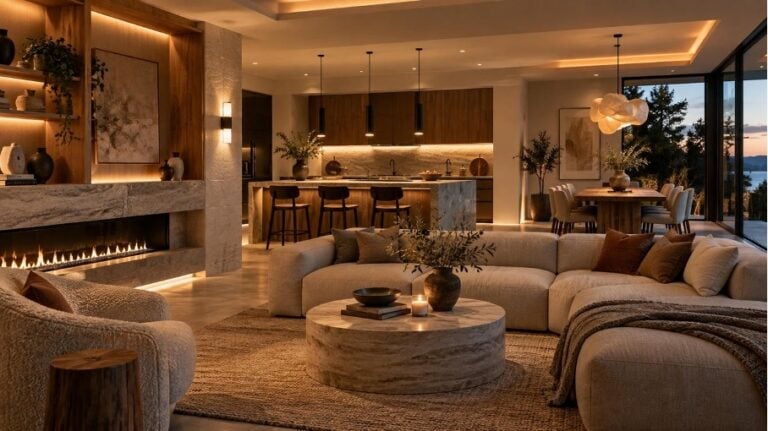
Lighting is one of the most influential elements in interior design, yet it is often considered only after furniture, finishes and colour schemes have already been selected. In reality, a well-planned lighting strategy can completely change how a room looks, feels and functions. It can make a compact space appear more open, highlight architectural details, improve visual comfort and create an atmosphere that supports the purpose of each room.
For homeowners, interior designers, architects and property professionals, the most successful projects are those where lighting is treated as part of the overall design from the beginning. Exploring specialist resources such as Lighting Concepts can help provide useful inspiration when considering how decorative, architectural and functional lighting can work together within a coherent interior scheme.
Rather than relying on a single ceiling fixture, contemporary lighting design focuses on layers, flexibility and careful positioning. Understanding these principles makes it easier to create interiors that remain practical during the day while becoming warm and inviting in the evening.
Why lighting should be planned early
Lighting affects almost every other design decision in a room. The colour of a wall can appear significantly different depending on the temperature and intensity of the light falling on it. Natural materials such as timber, stone and textured fabrics can either become prominent features or lose much of their visual character if they are poorly illuminated.
Planning lighting early also allows electrical points, switches and controls to be positioned correctly. This is particularly important in renovation and new-build projects, where moving wiring after walls and ceilings have been finished can become costly and disruptive.
A lighting plan should therefore be developed alongside the furniture layout. Designers need to understand where people will sit, work, cook, read or move through the space before deciding where light sources should be installed.
This approach also prevents one of the most common lighting mistakes: placing fixtures according to the dimensions of the room rather than according to how the room will actually be used.
The importance of layered lighting
Professional lighting schemes generally use several types of light rather than depending on a single source. This concept is commonly known as layered lighting.
Ambient lighting provides the general level of illumination required to move around a room comfortably. It may come from ceiling fixtures, recessed fittings, pendants or indirect lighting.
Task lighting is more focused. It provides additional brightness where specific activities take place, such as preparing food, reading, applying make-up or working at a desk.
Accent lighting is used to draw attention to particular elements within the interior. Artwork, shelving, architectural textures, plants and decorative objects can all become more visually significant when illuminated deliberately.
Decorative lighting contributes another dimension. A sculptural pendant or carefully selected wall light can function as a design feature even when it is switched off.
The strongest interiors combine these different layers rather than expecting one fixture to fulfil every purpose.
Choosing the right colour temperature
Colour temperature has a major impact on atmosphere. It is measured in Kelvin and determines whether artificial light appears warmer or cooler.
Warm light is commonly used in living rooms, bedrooms, restaurants and hospitality spaces because it creates a relaxed and comfortable atmosphere. Cooler light can be appropriate for certain workspaces, utility areas or environments where clear visibility is particularly important.
However, selecting colour temperature should not be based solely on the function of the room. Designers should also consider surrounding materials and colours.
Warm lighting often complements timber, brass, natural stone, terracotta and warmer neutral tones. Cooler lighting may work effectively with crisp whites, concrete, chrome and some contemporary finishes.
Consistency is equally important. Using noticeably different colour temperatures within the same visual area can make an interior feel disconnected. Unless contrast is an intentional part of the design, maintaining a coordinated colour temperature usually produces a more refined result.
Using light to enhance architecture
Lighting becomes particularly effective when it reveals the architecture of a space rather than simply illuminating its contents.
Wall washing, for example, can emphasise textured surfaces while also making a room appear wider. Concealed LED lighting can highlight ceiling details, shelving or joinery without introducing visible fixtures into the design.
Directional spotlights can be used to create focal points, while carefully placed wall lights can introduce rhythm along corridors or staircases.
The relationship between light and shadow is also important. Completely uniform brightness can make a room appear flat. Controlled areas of contrast provide depth and help the eye understand the structure of the space.
This is why professional lighting design often involves deciding not only where illumination is required, but also where lower light levels should remain.
Lighting different areas of the home
Each room has different requirements, and a successful scheme should respond to them rather than applying the same solution throughout the property.
Living Areas
Living rooms typically need the greatest degree of flexibility. They may be used for entertaining, reading, watching television or simply relaxing.
Multiple lighting circuits can be valuable here. A combination of ceiling lighting, floor lamps, table lamps and accent lighting allows the atmosphere to change throughout the day.
Bright general illumination may be useful when cleaning or hosting a large gathering, while softer pools of light are often more appropriate during the evening.
Kitchens
Kitchen lighting must balance aesthetics with functionality. Work surfaces require adequate illumination, particularly around preparation areas, sinks and cooking zones.
Under-cabinet lighting can provide useful task illumination while also creating visual depth. Pendant lights positioned above an island or dining counter can help define the space and introduce a decorative element.
Care should be taken to avoid shadows across important working surfaces. The position of the light source relative to the person using the counter is just as important as its brightness.
Bedrooms
Bedroom lighting should support relaxation while still providing enough illumination for practical tasks.
Bedside lighting is especially important and should be positioned according to how the bed is used. Reading lights, wall-mounted fixtures or compact pendants can provide focused illumination without requiring the entire room to be brightly lit.
Dimmable lighting is particularly valuable in bedrooms because it allows light levels to gradually reduce toward the end of the day.
Bathrooms
Bathroom lighting needs careful planning because functionality, atmosphere and technical safety requirements must all be considered.
Lighting around mirrors should illuminate the face evenly rather than producing strong overhead shadows. Supplementary ambient or accent lighting can then create a calmer atmosphere elsewhere in the room.
Fixtures must also be selected with appropriate protection for their location, particularly when installed close to showers, baths or other areas exposed to moisture.
Why dimming and lighting controls matter
The ability to control lighting is almost as important as the fixtures themselves.
A room rarely requires the same brightness throughout the entire day. Natural daylight levels change, activities vary and the desired atmosphere shifts from practical to relaxed.
Dimmers allow users to adjust light levels according to these changing requirements. Separate lighting circuits offer even greater control by allowing different groups of fixtures to operate independently.
Smart lighting systems can extend this flexibility further. Depending on the installation, users may be able to create preset scenes for activities such as dining, entertaining, watching television or reading.
However, sophisticated technology should never replace good fundamental lighting design. Controls are most effective when the fixtures themselves have already been selected and positioned appropriately.
Avoiding common lighting design mistakes
One of the most frequent mistakes is attempting to illuminate an entire space with recessed ceiling lights arranged in a uniform grid. While this may provide adequate brightness, it often does little to create visual interest or atmosphere.
Another issue is choosing fixtures based entirely on appearance without considering the quality or direction of the light they produce.
Scale also matters. A pendant that looks impressive in a showroom may appear too small above a large dining table or visually overwhelming in a compact hallway.
Glare should also be considered carefully. Exposed high-output light sources can be uncomfortable, particularly when positioned directly within common sightlines.
Professional lighting design aims to balance brightness, contrast, visual comfort and aesthetics rather than maximising the quantity of light.
Energy efficiency without compromising design
Modern LED technology has made it possible to achieve strong lighting performance with substantially lower energy consumption than many traditional lamp technologies.
However, energy efficiency involves more than choosing LED fittings. A well-designed scheme also reduces unnecessary illumination by placing light precisely where it is required.
Controls, occupancy sensors and timers may further reduce energy usage in suitable spaces. Natural daylight should also be considered as part of the overall strategy.
The objective is not simply to install more efficient lamps, but to create an intelligent relationship between daylight, artificial lighting and the way a building is occupied.
Creating a lighting scheme that lasts
A successful lighting design should remain effective long after current interior trends have changed.
Decorative fixtures can certainly introduce personality, but the underlying infrastructure should be flexible enough to accommodate future changes in furniture, artwork or room use.
Good lighting ultimately combines technical planning with visual sensitivity. Fixture selection, colour temperature, positioning, controls and architecture all influence the final result.
When these elements are considered together, lighting becomes much more than a functional necessity. It becomes a design tool capable of defining spaces, revealing materials, supporting everyday activities and shaping the way an interior is experienced.
Designing with light, not simply adding it
The most memorable interiors rarely depend on a single dramatic fixture. Their success usually comes from a carefully considered combination of light sources working together.
By planning lighting early, creating multiple layers, controlling glare and selecting appropriate colour temperatures, designers and homeowners can produce spaces that are both visually sophisticated and comfortable to use.
The key is to think about lighting as part of the architecture itself. Once that perspective is adopted, every fixture has a clear purpose, every illuminated surface contributes to the composition, and the atmosphere of the interior can change naturally according to the needs of the people using it.

0 Comments