


Morganite has a way of slipping into a jewelry collection and quietly becoming the piece you reach for most. Its soft blush tone reads as warm and understated rather than loud, which makes it unusually easy to wear with the rest of what you already own. Building a small wardrobe of morganite pieces is less about buying a matching set all at once and more about choosing a few complementary rings, necklaces, and earrings that talk to each other. Done thoughtfully, the result feels curated instead of coordinated, and it grows more useful the longer you keep at it.
Start With a Hero Piece
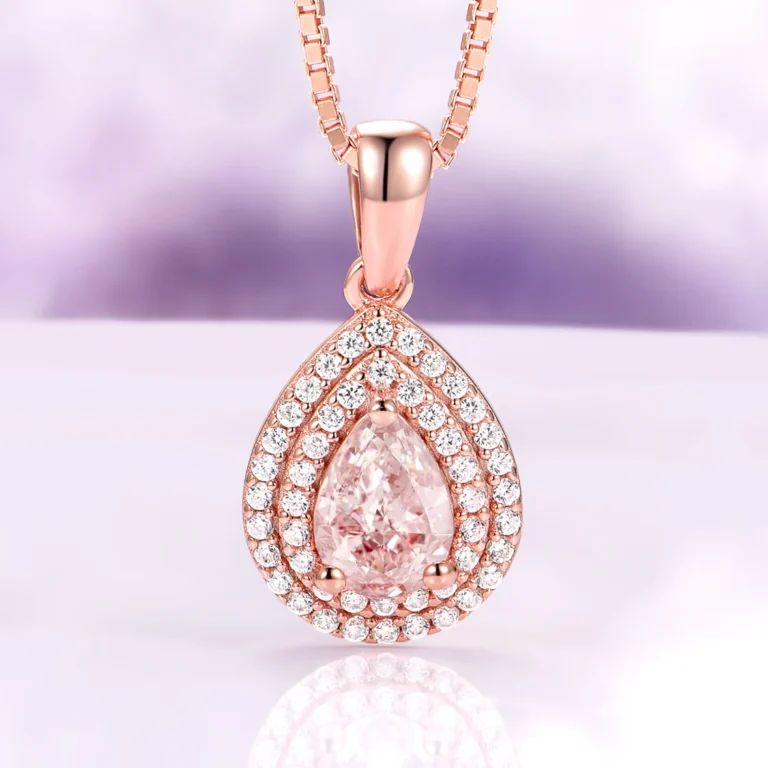
Every wearable collection benefits from an anchor, and morganite gives you a lot of good options for one. A hero piece is the item you build everything else around: it sets the tone, the scale, and the general mood you want your other pieces to echo. A pendant necklace is often the easiest place to begin because it sits at eye level, catches the light well, and pairs with almost any neckline. A statement ring or a pair of drop earrings can play the same role if you tend to notice hands or faces first. The point is to pick one piece you genuinely love wearing, then let it become the reference for everything you add later. When you know your hero piece, decisions about the rest of the wardrobe get much simpler, because you are always asking the same question: does this new item flatter the piece I already care about?
Mixing Morganite With Other Soft Tones
One of morganite’s best qualities is how gracefully it sits next to other gentle colors. Its peachy pink is not competitive, so it blends rather than clashes. Pale aquamarine, soft white stones, milky moonstone, and warm champagne tones all sit comfortably alongside it. If you want a collection with range, choose two or three companion colors and let morganite remain the common thread that ties them together. A cluster of blush and near-clear stones reads as fresh and airy, while pairing morganite with deeper rose or warm neutral tones gives a cozier, more autumnal feel. The trick is restraint: keep the palette in the same soft family and avoid dropping in a single high-contrast, saturated stone that pulls all the attention away from the morganite you are trying to feature.
Layering Necklaces Around Your Morganite
Necklaces are where a morganite wardrobe starts to feel personal, because layering lets you change the whole look without changing the pieces. Start with your hero pendant, then add one or two chains at different lengths so each piece has room to breathe. A shorter chain that sits near the collarbone paired with a slightly longer morganite pendant creates a natural sense of depth. If you are new to stacking necklaces, a guide to layering necklaces is a helpful reference for getting the spacing and proportions right before you commit to a favorite combination. Keep the morganite piece as the visual focal point and treat the other chains as supporting details rather than competing centerpieces. Varying chain thickness slightly also keeps the layers from looking like a single tangled strand.
A pendant makes an easy hero piece to build a wardrobe around.
Everyday Pieces Versus Occasion Pieces
A collection you actually use tends to split into two informal groups: the pieces you can put on without thinking, and the pieces you save for something special. Everyday morganite works best when it is simple and low-profile. Small stud earrings, a slim ring, or a delicate solitaire pendant can move from morning to evening without demanding any attention. Occasion pieces are where you let the stone be a little bolder: a larger faceted center, a halo of accent stones, or longer drop earrings that catch movement and light. You do not need many of either kind. Two or three reliable everyday pieces and one or two occasion pieces already give you enough flexibility to dress a morganite look up or down depending on where you are headed.
Coordinating Metals Without Overthinking It
Morganite is famously forgiving with metal tones, which is part of why it is so easy to collect. Warm-toned metals tend to amplify its peachy warmth and make the pink read a little deeper, while cooler, brighter metals can make the same stone feel crisper and more contemporary. Neither is more correct; it depends on the mood you want. If you prefer your collection to look intentional, choose one dominant metal tone and let most of your pieces share it, then allow one or two intentional exceptions for contrast. If you enjoy a more collected, lived-in look, mixing metals on purpose is completely valid, and morganite’s neutral undertone helps those mixes feel deliberate rather than accidental. When you are ready to expand, browsing a focused range of morganite jewelry makes it easier to see how a single stone reads across different settings and finishes side by side.
Building the Wardrobe Slowly
The best morganite collections are almost never bought in one sitting. Adding pieces gradually gives you time to learn what you actually reach for, which shapes and scales suit your daily life, and where the real gaps are. A slow approach also keeps the wardrobe coherent, because each new addition is chosen against pieces you already own and love rather than picked in isolation. Start with your hero piece, live with it for a while, then add a companion earring or ring only when you notice a specific look you cannot yet complete. Over months, this patient method produces something a rushed set never quite manages: a group of pieces that feel like they belong together because, one decision at a time, you made sure they did.
A morganite wardrobe does not need to be large to be genuinely useful. A thoughtful hero piece, a soft and consistent palette, a couple of everyday staples, and one or two occasion pieces will carry you through almost anything, and the collection only gets better as you add to it with intention. Choose what you love, keep the tones in conversation, and let the wardrobe grow at its own pace.

0 Comments