


In the high-stakes world of industrial manufacturing and food production, the difference between a record-breaking quarter and a maintenance nightmare often comes down to a single component: the conveyor belt. While many facilities rely on standard rubber or plastic modular belts, those operating in extreme temperatures, high-hygiene environments, or heavy-duty sectors turn to the undisputed king of durability—the metal conveyor belt. Specifically, a high-quality stainless steel wire mesh conveyor belt provides the structural integrity and open-flow design necessary to handle everything from flash-freezing delicate pastries to heat-treating automotive parts. Companies like Wire Belt Company have set the gold standard in this space, leveraging decades of expertise in designing, manufacturing, and installing specialized systems. By offering custom solutions, technical support, and comprehensive belt surveys, they help businesses optimize performance and drastically reduce the “hidden costs” of unscheduled downtime.
Why Metal Matters: Beyond the Basics of Material Handling
Material handling is the silent engine of the modern economy. It’s the art and science of moving, protecting, and storing products. When a system fails, the ripple effect is felt across the entire supply chain. This is why the shift toward metal belt systems has accelerated. Unlike synthetic materials that can melt, fray, or harbor bacteria in surface scratches, metal belts—often made from stainless steel or specialized alloys—offer a level of resilience that is unmatched.
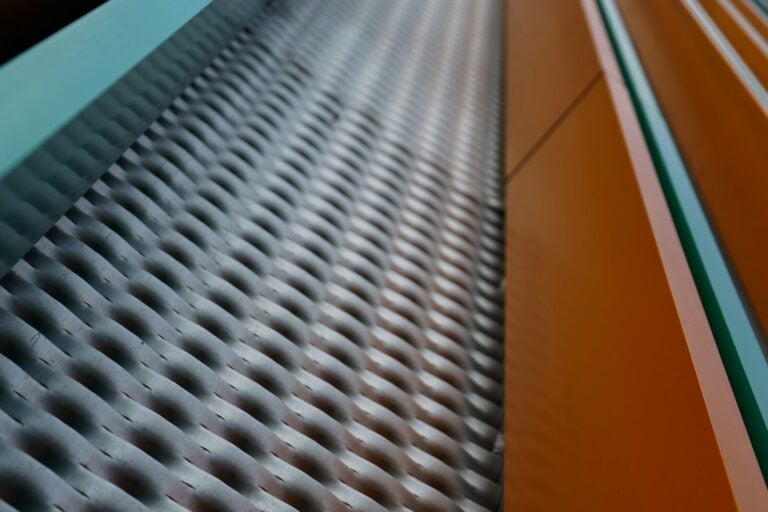
The engineering behind a wire mesh conveyor allows for a unique combination of strength and transparency. Because these belts are constructed with a high percentage of open area, they allow for maximum airflow and liquid drainage. This makes them indispensable in sectors where “process” happens on the move. Whether you are coating a donut in chocolate or washing grit off industrial fasteners, the belt isn’t just a transport tool; it’s a functional part of the production machinery.
The Anatomy of High-Performance Metal Belts
To understand why these systems are so effective, we have to look at the diverse configurations available. Not every “metal belt” is created equal. The specific weave, pitch, and wire gauge determine how the system handles load and tension.
- Flat Flex Belts: These are the workhorses of the food industry. Known for their high open-space ratio (up to 86%), they are perfect for breading, battering, and cooling. They minimize the contact surface with the product, ensuring that delicate items don’t stick or get damaged.
- Compact Grid Belts: Designed for heavier loads and tighter turns, these belts are often found in spiral freezers and proofers. They provide incredible stability while maintaining the airflow required for rapid temperature changes.
- Woven Wire Mesh: These are denser belts used for drying, baking, and industrial parts washing. Their intricate patterns can support tiny components without letting them fall through, while still allowing chemical baths or hot air to circulate freely.
Efficiency in Food Processing: A Hygiene-First Approach
In food processing, the enemy is downtime caused by sanitation requirements. Traditional plastic belts can be porous, and their hinges often trap food particles, leading to microbial growth. Metal belts change the game.
Because they are made of food-grade stainless steel, they can withstand aggressive chemical cleaning and high-pressure power washing without degrading. Furthermore, the open-mesh design means there are no “blind spots” for bacteria to hide.
When a company integrates a specialized system, they aren’t just buying hardware; they are investing in food safety. Expert providers offer training and maintenance tools that teach onsite teams how to identify early signs of wear, ensuring the belt stays in peak condition for years rather than months.
Industrial Durability: Tackling Heat and Chemicals
Outside the food sector, metal conveyor systems are the backbone of the “heavy” industries. Consider the process of annealing glass or heat-treating steel. A rubber belt would vanish in seconds. Metal belts, however, thrive in temperatures exceeding 1,000°F.
Beyond heat, chemical resistance is a massive factor. In electronics manufacturing or metal finishing, belts are frequently submerged in acidic or alkaline baths. The right alloy—whether it’s T-304 or T-316 stainless steel—ensures that the belt doesn’t corrode, which would otherwise contaminate the product and lead to catastrophic system failure.
The Role of Custom Solutions and Technical Support
One of the biggest mistakes a facility manager can make is treating a conveyor belt as a “commodity” item. A belt that is slightly too heavy for its drive motor, or one with a pitch that doesn’t align perfectly with the sprockets, will lead to “belt hunting,” vibration, and eventually, a break.
This is where the value of a dedicated partner comes in. Advanced providers don’t just ship a roll of mesh; they conduct belt surveys. A survey is a diagnostic deep dive where engineers look at the entire conveyor frame, the drive components, and the environmental factors. They might find that a simple change in sprocket alignment or the addition of a specific edge reinforcement could double the life of the equipment.
Training and Maintenance Tools
A system is only as good as the people operating it. Many of the most common causes of belt failure—such as improper tensioning or poor splicing—are entirely preventable. Leading manufacturers now provide:
- On-site Training: Teaching maintenance crews how to install and join belts correctly.
- Specialized Tools: From precision wire cutters to tensioning gauges that take the guesswork out of setup.
- Audit Programs: Regular check-ins to ensure that as production speeds increase, the conveyor system is still optimized for the new load.
Reducing Downtime: The Ultimate ROI
Every minute a line is down, money is evaporating. In high-volume environments, an hour of lost production can cost tens of thousands of dollars. Metal conveyor systems reduce this risk in three distinct ways:
- Predictability: Unlike plastic, which can snap suddenly under fatigue, metal tends to show visible signs of wear (like slight elongation or minor “tracking” issues) long before a total failure occurs. This allows for planned maintenance during scheduled gaps.
- Longevity: A well-maintained stainless steel belt can outlast its synthetic counterparts by a factor of five or ten, meaning fewer replacements and lower long-term capital expenditure.
- Speed: Because metal belts are more rigid, they can often operate at higher speeds with greater precision, allowing for higher throughput without sacrificing product quality.
Sustainability in Material Handling
In today’s market, sustainability isn’t just a buzzword; it’s a regulatory and ethical requirement. Metal belts are inherently more “green” than many alternatives. They are 100% recyclable at the end of their life cycle. Furthermore, because they are easier to clean, facilities often see a significant reduction in water and chemical usage during sanitation cycles.
By optimizing performance through better airflow, these belts also reduce the energy required for industrial ovens and freezers. When air can move freely through the belt, the motors don’t have to work as hard, and the heating/cooling elements reach their target temperatures faster.
Choosing the Right Partner
Success in material handling is a collaborative effort. It requires a partner who understands that the belt is the heart of the machine. The ideal collaborator offers more than just a product; they provide a comprehensive ecosystem of support—from the initial design phase to the installation of custom-engineered solutions.
Whether you are looking to upgrade a single line or design a ground-up facility, focusing on high-grade metal solutions is the most reliable way to future-proof your operations. By prioritizing technical expertise, custom engineering, and proactive maintenance, businesses can move away from “fixing problems” and toward “optimizing performance.”
In the end, the goal of any material handling solution is simple: to keep things moving. Metal conveyor belts, backed by the right technical support and training, ensure that movement is as smooth, efficient, and cost-effective as possible. Investing in quality today means avoiding the headaches of tomorrow, allowing your business to focus on what it does best—delivering excellence to your customers.

0 Comments