


Construction is a messy business. Between the heavy machinery, the massive piles of displaced dirt, and the unpredictable nature of local weather, site managers have their hands full. But beyond the logistical puzzles of building upwards, there is a fundamental responsibility to the ground below. Preventing soil runoff isn’t just about keeping the site tidy; it’s about legal survival and ecological stewardship.
When you break ground on a new project, you aren’t just moving dirt—you’re altering an ecosystem. Without a solid strategy for site stabilization, the first heavy rain can turn a productive job site into an environmental liability. This is where the intersection of engineering and ecology becomes critical. Companies like Syman have built their reputation on navigating this exact tension. They provide comprehensive site stabilization solutions that allow construction to move forward without compromising the surrounding landscape. By integrating stormwater pollution prevention plan (SWPPP) design with hands-on environmental installation services, they help contractors bridge the gap between heavy-duty development and strict federal and state standards.
Whether it’s through meticulous site inspections or specialized boise hydroseeding, the goal is always the same: keep the soil where it belongs and the project in the clear.
Why Erosion Control Is More Than Just a Silt Fence
Erosion is a natural process, but construction accelerates it to a degree that nature can’t handle. When vegetation is stripped away, the soil’s “armor” is gone. Raindrops hit the bare earth with surprising force, dislodging particles that eventually find their way into local storm drains and waterways.
This isn’t just a matter of losing a few inches of topsoil. Silt-heavy runoff can clog drainage systems, kill aquatic life, and carry pollutants like oils and chemicals from the site into the public water supply. Because of these stakes, the Environmental Protection Agency (EPA) and state-level regulators have zero tolerance for negligence.
Effective erosion control is a multi-layered defense system. It starts with a plan, continues with physical barriers, and finishes with permanent stabilization. If one part of that chain breaks, the whole project is at risk of being shut down.
The Architecture of Compliance: The SWPPP
Every major project begins with a Stormwater Pollution Prevention Plan. This isn’t just a “box to check” for the permit; it is the tactical playbook for the entire site. A well-designed SWPPP identifies potential sources of pollution and describes exactly how the contractor will reduce those pollutants.
Developing this plan requires a deep understanding of local topography, soil types, and regional rainfall patterns. It’s not a one-size-fits-all document. A site in the high desert requires vastly different strategies than a project in a coastal marsh. Experts in the field look at the “drainage footprint” of a site to predict where water will pool and where it will accelerate. By anticipating these movements, they can place Best Management Practices (BMPs) in the most effective locations before the first shovel hits the ground.
The “Big Three” of Site Stabilization
To keep a site compliant, professionals generally focus on three main categories of intervention.
1. Erosion Control (The Prevention Phase)
Erosion control focuses on keeping the soil in place so it never becomes “sediment” to begin with. This is the most cost-effective way to manage a site. Techniques include:
- Mulching: Covering bare soil with straw or wood fibers to dampen the impact of rain.
- Erosion Control Blankets: Large mats made of natural or synthetic fibers that “staple” the soil down, usually on slopes.
- Surface Roughening: Creating horizontal grooves in a slope to slow down water runoff.
2. Sediment Control (The Capture Phase)
Even with great erosion control, some soil will move. Sediment control is the “safety net” designed to catch that soil before it leaves the site.
- Silt Fences: These are the ubiquitous black fabric fences seen around construction sites. When installed correctly (trenched into the ground), they filter water and trap soil.
- Fiber Rolls (Wattles): Tubes of straw or coconut fiber that act as mini-dams, slowing water down and letting sediment settle.
- Inlet Protection: Filters placed around storm drains to ensure only clean water enters the city system.
3. Permanent Stabilization (The Finish Line)
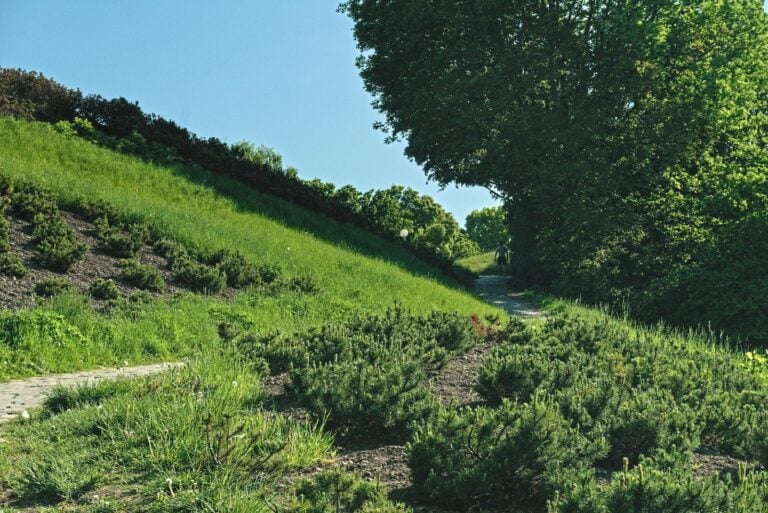
The project isn’t truly compliant until the site is permanently stabilized. Usually, this means re-establishing vegetation. This is where methods like hydroseeding come into play. By spraying a slurry of seed, mulch, and fertilizers, contractors can cover large, difficult-to-reach areas quickly, ensuring that as the construction equipment leaves, the grass starts growing.
The Reality of Environmental Inspections
Having the right fences and blankets is only half the battle. The law requires that these measures are inspected regularly—usually once a week or after any significant rain event.
During an inspection, a professional looks for “failures.” Has a silt fence collapsed? Is there evidence of “rilling” (small channels cut by water) on a slope? Are the stabilized entrances still effectively knocking mud off the tires of outgoing trucks?
Environmental compliance consulting is about more than just finding problems; it’s about documenting the solutions. Regulatory agencies look for a “paper trail” of diligence. If a storm hits and sediment leaves the site, a contractor who has documented weekly inspections and prompt repairs is in a much better position than one who has ignored their BMPs for a month.
Navigating the Regulatory Landscape
The Clean Water Act is the primary driver behind these regulations, but state and local governments often add their own layers of complexity. For a contractor, trying to keep up with the changing definitions of “Waters of the United States” (WOTUS) or local municipal codes can be a full-time job.
This is why many firms outsource their compliance needs to specialized partners. By bringing in experts who live and breathe EPA standards, contractors can focus on what they do best: building. These specialists act as a shield, ensuring that the project stays on the right side of the law and avoids the massive fines that come with environmental violations—fines that can sometimes reach tens of thousands of dollars per day.
Why Experience Matters
There is a temptation in the construction world to treat erosion control as a commodity—to hire the cheapest labor to throw up some silt fence and hope for the best. However, this often leads to “double-spending.” When a cheap fence fails during a storm, the contractor pays once for the initial installation, once for the fine from the inspector, and a third time to have a professional come out and fix it properly.
Expertise in this field means knowing which BMP to use for specific soil types. It means knowing how to scale a plan when a project timeline shifts. It means having the specialized equipment to handle large-scale hydroseeding or the technical knowledge to design a complex SWPPP.
A Greener Future for Construction
We are moving into an era where “environmental compliance” is no longer an optional badge of honor—it is a baseline requirement for doing business. Clients, investors, and the public are all looking at the environmental footprint of new developments.
By prioritizing erosion control, the construction industry does more than just avoid fines. It protects the local watershed, prevents the loss of valuable topsoil, and ensures that the communities being built are nestled into a healthy, stable landscape.
Ultimately, site stabilization is about respect—respect for the land, respect for the law, and respect for the long-term viability of the project itself. When you work with professionals who understand the nuances of the earth and the rigors of the regulations, you aren’t just digging a hole; you’re building a foundation that will last for generations.

0 Comments