



How future healthcare technology is elevating at home care is one of the most important stories in modern medicine. Patients no longer need to leave their homes for routine monitoring, consultations, or even advanced diagnostics.
Instead, a powerful combination of artificial intelligence, remote monitoring, wearable devices, and smart home integration is bringing hospital-quality care directly into living rooms across the world.
This shift is not simply a convenience upgrade. It represents a fundamental redesign of how healthcare operates. Aging populations, strained hospital systems, and rising chronic disease rates are pushing providers to rethink care delivery. Furthermore, patients themselves are demanding more autonomy, comfort, and personalization in their health journeys.
The result is a new era of at-home care that is proactive, predictive, and deeply personal. Technology is the engine driving this transformation, and its pace is accelerating rapidly in 2026 and beyond.
How Future Healthcare Technology Is Elevating At Home Care Through AI
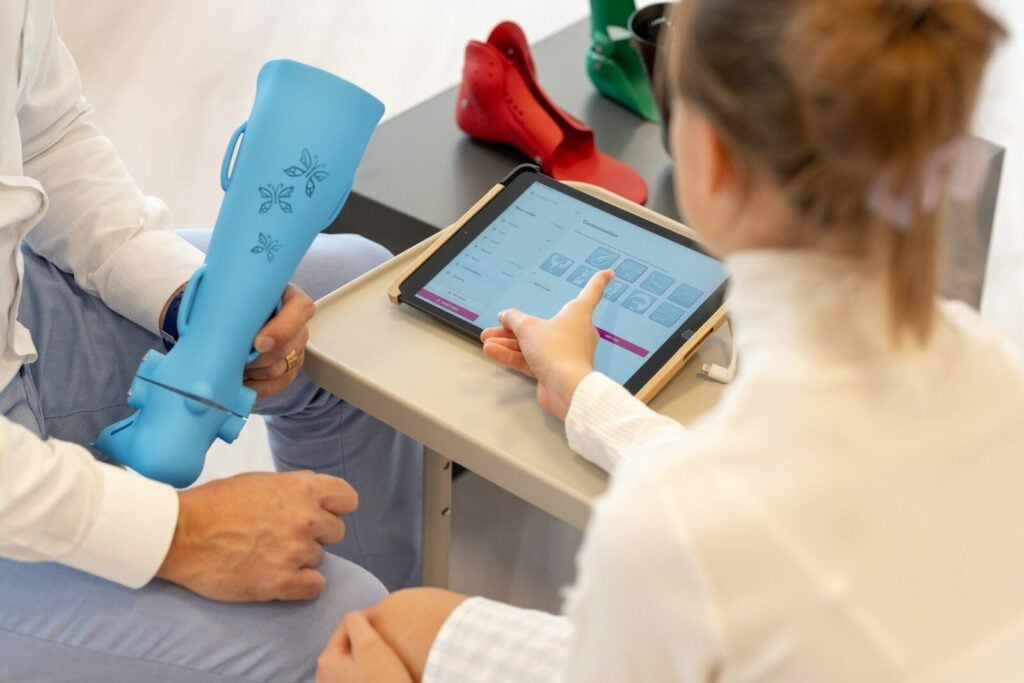
Artificial intelligence sits at the center of this revolution. AI-powered platforms analyze continuous streams of patient data and identify patterns that precede clinical deterioration. Therefore, providers can intervene days before a crisis occurs, rather than reacting after the fact.
Machine learning algorithms trained on large population datasets can now predict falls, hospitalizations, and dangerous medication interactions with remarkable accuracy. For example, a patient with heart failure can have their daily weight fluctuations, breathing patterns, and activity levels monitored automatically. As a result, their care team receives an alert before fluid buildup becomes a life-threatening emergency.
Additionally, AI is transforming the administrative side of home healthcare. According to the SVB Future of Healthtech report, AI in provider operations accounted for 44% of total healthtech investment in 2025, up from just 19% in 2021. This growth reflects how deeply AI has penetrated care coordination, documentation, and clinical decision support tools used by home health nurses and remote caregivers.
Remote Patient Monitoring: Real-Time Visibility Into Patient Health
Remote patient monitoring (RPM) is one of the most impactful applications of future healthcare technology. Smart devices continuously track vital signs such as blood pressure, heart rhythm, oxygen saturation, and blood glucose levels. This data transmits instantly to care teams, enabling rapid responses to any concerning changes.
Wearables have evolved far beyond basic step counters. Modern medical-grade wearables can detect atrial fibrillation, measure electrocardiograms, and even monitor skin temperature for signs of infection. Furthermore, biosensors embedded in patches or clothing can track hydration, cortisol levels, and sleep quality without requiring any active effort from the patient.
The clinical impact is measurable. A Mayo Clinic study found that remote monitoring of heart failure patients led to a significant reduction in hospitalizations. Moreover, the total cost of care for those patients dropped by 12%. These numbers make a compelling case for RPM as both a clinical and financial win for the healthcare system.
Telehealth and Virtual Consultations Redefining Access
Telehealth has matured from a pandemic-era workaround into a mainstream care delivery model. Patients can now consult with their primary care physician, specialists, and mental health providers via secure video platforms from their own homes. This is particularly valuable for elderly patients, individuals with mobility limitations, and those living in rural or underserved areas.
However, telehealth today goes far beyond video calls. AI-powered triage tools assess symptoms before consultations begin. E-prescription platforms allow doctors to send medications directly to a patient’s pharmacy. Additionally, post-discharge virtual follow-ups reduce readmission rates by maintaining continuity of care after a hospital stay.
In contrast to traditional in-person models, hybrid care approaches combine AI triage with live physician consultations. This reduces waiting times and allows healthcare providers to serve more patients without sacrificing care quality. Therefore, telehealth is not replacing human care; it is making human care more accessible and efficient.
Smart Home Integration: Creating Safer Living Environments
Future healthcare technology extends beyond medical devices. Smart home systems are now active participants in patient care. Automated lighting reduces fall risks during nighttime navigation. Smart thermostats maintain temperatures optimized for patient recovery. Environmental sensors detect smoke, carbon monoxide leaks, and dangerously low temperatures automatically.
Connected security systems provide family members with real-time visibility into a loved one’s home safety status. For adult children caring for aging parents from a distance, these tools transform constant anxiety into manageable oversight. Additionally, voice-activated assistants help patients with limited mobility control their environment, set medication reminders, and contact emergency services without needing to move.
The Internet of Medical Things (IoMT) connects all of these devices into a unified care ecosystem. Patient vitals measured at home transfer automatically to mobile applications where care teams review and analyze the data. As a result, every visit from a home health nurse is informed by days of continuous monitoring rather than a single point-in-time assessment.
How Future Healthcare Technology Is Elevating At Home Care With Digital Twins
One of the most exciting emerging technologies in home healthcare is the digital twin. A digital twin is a virtual replica of a patient built from their personal health data, medical history, and real-time biometric streams. Clinicians can use this model to simulate treatment outcomes before applying them in the real world.
For instance, a physician treating a diabetic patient can test how a new medication dosage might affect blood sugar levels using the patient’s digital twin first. This approach reduces trial-and-error prescribing and minimizes the risk of adverse events. Furthermore, digital twins allow care plans to be continuously refined as new data flows in from wearables and home sensors.
Gartner identified digital twins as one of the most transformative healthcare innovations of the coming decade. As processing power and data integration improve, these virtual models will become standard tools in at-home care management. Therefore, personalized medicine at home is becoming a practical reality, not just a futuristic concept.
Robotics and AI Companions Supporting Independent Living
Rehabilitation robotics and AI-powered care companions are reshaping how patients recover and manage chronic conditions at home. Assistive robots help elderly patients perform physical therapy exercises with proper form and safe resistance levels. This reduces the need for frequent in-person physiotherapy visits and supports faster recovery timelines.
AI-powered virtual companions provide 24-hour guidance for patients managing complex conditions. These voice-based assistants remind patients to take medications, track symptom changes, encourage physical activity, and flag concerning health patterns to care teams. Additionally, they address the emotional dimension of at-home care by offering companionship to isolated or elderly individuals.
In contrast to traditional home health aides who can only be present for limited hours, AI companions provide continuous, consistent support. However, they work best when paired with human caregivers who bring empathy, clinical judgment, and hands-on care capabilities. Therefore, the future of at-home care is collaborative: humans and technology working together rather than one replacing the other.
The Market Opportunity and What It Means for Patients
The financial scale of this transformation is staggering. Research from McKinsey and Grand View Research estimates the global at-home healthcare technology market will reach $747 billion by 2030. This growth reflects massive investment in remote monitoring platforms, AI diagnostics, telehealth infrastructure, and connected device ecosystems.
For patients, this investment translates into more accessible, affordable, and personalized care. Chronic disease management programs that once required frequent clinic visits can now operate entirely through home-based monitoring and virtual consultations. Furthermore, value-based care models that reward outcomes over procedure volume are accelerating adoption of technology-enabled home care programs.
Healthcare providers benefit as well. Better outcomes data, lower operational costs, and extended geographic reach without new physical infrastructure make at-home care models highly attractive. As a result, hospitals and health systems are actively investing in hospital-at-home programs that deploy full clinical teams to patients’ residences using technology as the backbone of care delivery.
Overcoming Challenges: Data Security and Equity
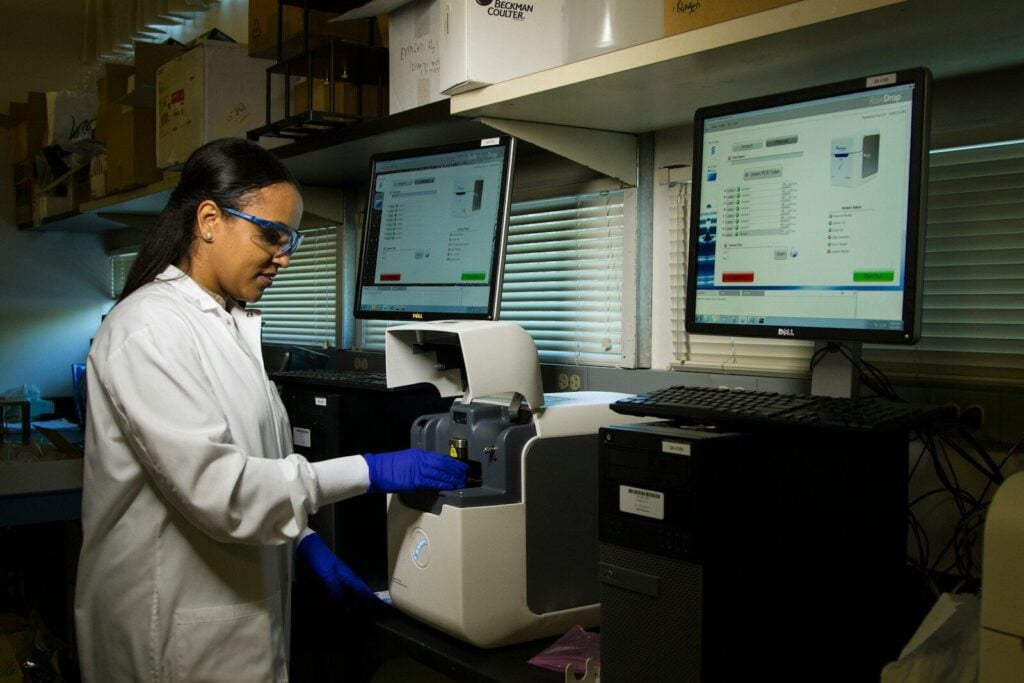
Despite tremendous progress, future healthcare technology at home faces real challenges. Data security and patient privacy remain top concerns as vast amounts of sensitive health information flow through connected devices and cloud platforms. Healthcare organizations must invest in robust encryption, access controls, and regulatory compliance frameworks to protect patient data.
Additionally, the risk of digital inequity is significant. Not all patients have reliable internet access, smartphones, or the digital literacy needed to use advanced health technology. Therefore, any vision of technology-elevated home care must include deliberate strategies to reach underserved communities, rural populations, and elderly patients with limited tech experience.
Healthcare systems that address these barriers proactively will build more inclusive, effective, and sustainable at-home care programs. In contrast, those that ignore equity risks will deepen existing health disparities even as they innovate. Consequently, technology and policy must advance together to make the promise of home healthcare universally accessible.
A New Standard of Care Is Already Here
How future healthcare technology is elevating at home care is no longer a prediction. It is happening now, in homes around the world. AI predicts health crises before they occur. Wearables track vital signs around the clock. Telehealth connects patients to specialists regardless of geography. Smart homes protect vulnerable patients automatically. Digital twins personalize treatment at an individual level.
Together, these innovations are shifting healthcare from a system centered on hospitals and clinics to one centered on the patient’s own life. Additionally, they are transforming care from reactive treatment into proactive wellness management. For patients, families, and providers alike, this represents a genuinely better way to deliver and receive healthcare in the modern world.

0 Comments