


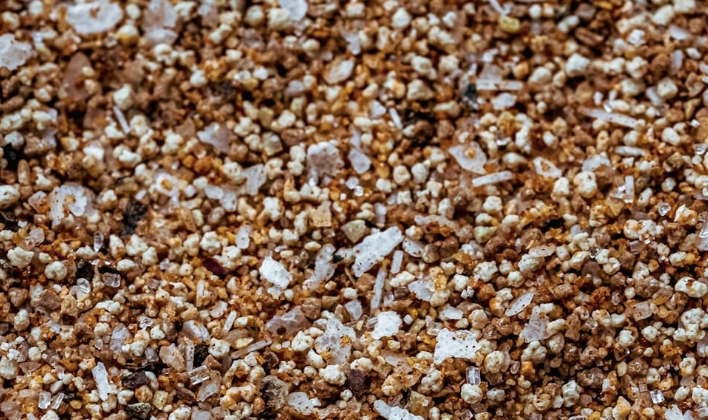
Different spice additions affect food in specific, predictable ways. Dry rubs, seasoning blends, and sauces influence surface texture, internal distribution, and moisture differently across grilling, roasting, smoking, pan-frying, and baking. Application method determines how flavor interacts with heat. Dry blends stay on the exterior, fine mixes disperse through mixtures, and sauces add moisture and taste after primary cooking is complete.
Consistent results depend on matching the chosen approach to the cooking method. Proper selection reduces unnecessary prep, limits excess salt, and avoids competing layers. Salt levels must account for every stage of cooking. Surface exposure, heat intensity, and timing determine the choice between a rub, early application, or finishing sauce for the most controlled and balanced result.
Dry Rubs for Surface-Driven Cooking
Concentrating flavor on the exterior of proteins and vegetables, dry rubs suit grilling, roasting, smoking, and air frying. These techniques rely on direct or prolonged heat that intensifies spices on the surface. Apply rubs to dry ingredients and distribute them evenly. A small amount of oil improves contact without breaking down the spice blend.
Dry rubs work best in dry or direct-heat methods rather than wet approaches like braising, stewing, or poaching, where spices naturally disperse into cooking liquid. Coarser spices and seeds handle high heat, smoke, and open flames more reliably. Finer blends are better suited to enclosed ovens, where even surface contact matters more than maintaining texture.
Seasonings for Broad Flavor Control
Seasonings distribute flavor evenly throughout dishes that rely on mixtures or liquids. They work well in salads, sautés, soups, grains, fillings, and batters. Early application allows spices and herbs to integrate fully, creating uniform results that support other ingredients without overwhelming them. Heat and moisture help dissolve salt and disperse soluble spice compounds evenly.
Blend size should align with the dish. Fine seasonings suit liquid-heavy or mixed preparations, while slightly coarser blends add mild texture to finished foods. In complex recipes, limited-ingredient seasonings improve consistency and reduce imbalance. Add in small increments and adjust as needed. Introduce delicate herbs later so their impact remains clear. Fat content also affects how aromatic compounds spread.
Sauces for Moisture and Contrast
Sauces add moisture and contrasting flavor after cooking. Applying them after browning or roasting preserves crisp surfaces while improving richness and balance. Thin versions, such as vinaigrettes or pan reductions, coat evenly. Thicker glazes rest on the surface, adding controlled texture and visual definition. Emulsified preparations provide stable fat distribution, while reductions concentrate flavor through controlled evaporation.
These additions correct dryness without altering the main cooking method. Serving them separately allows precise control and prevents excess. Begin with small amounts and adjust salt and sweetness carefully. For reheated foods, lighter options restore moisture effectively. Decide thickness and placement before serving to maintain balance and avoid overpowering the base ingredients. Temperature control matters, as overheated emulsions lose structure or separate.
Selecting the Right Flavor Tool
Choosing between rubs, seasonings, and sauces requires clear goals for texture, moisture, and flavor intensity. Dry rubs suit high-heat cooking where surface impact matters most. Seasonings perform best when taste must spread through mixtures or liquids. Sauces complete dishes by adding moisture or brightness at the final stage. Cooking time and food density also influence tool selection.
Limit each component to one primary method to reduce overlap. Combining multiple strong elements increases imbalance and inefficiency. Plan salt additions early and adjust gradually. Select the most effective approach for each item, then refine the final result with a light sauce or restrained finishing sprinkle. Final adjustments should account for resting time and carryover heat.
Keeping Flavor Choices Consistent
Consistency begins with a defined flavor focus before cooking. Select one primary profile, such as smoky, herbal, or acidic, and avoid competing elements. Using related ingredients across the dish keeps flavors distinct and prevents crowding. Repeating base ingredients like fats or acids improves cohesion.
Apply salt lightly during early stages and reassess after each addition, especially before finishing. Reusing successful combinations saves time and improves reliability. Brief notes on spice ratios, timing, and application methods support repeatable outcomes and increase efficiency during future preparation. Tracking cook times and temperatures further improves repeatability.
Clear separation between dry rubs, seasonings, and sauces improves control and repeatability during cooking. Each method targets a specific function, including surface texture development, internal distribution, or moisture addition near completion. Matching the flavor tool to heat level, cooking duration, and food structure limits overlap and confusion. Salt should be layered deliberately across stages to prevent imbalance. Assign one primary driver per component and adjust near the finish. Structured choices simplify preparation, reduce errors, support scaling, and produce balanced results that remain consistent from initial cooking through resting, plating, and service in both professional and home kitchens.

0 Comments