


The global marketplace is experiencing a profound shift. Across industries—from fashion to food, technology to travel—consumers are demanding more than just products. They’re seeking alignment between their purchases and their principles. This movement toward mindful lifestyle choices and conscious consumerism has reached a tipping point, fundamentally reshaping how businesses operate and what defines success in the modern economy.
Nowhere is this transformation more visible than in the jewelry industry. Once characterized by opaque supply chains and environmental concerns, the sector now faces unprecedented scrutiny from informed consumers who refuse to separate beauty from responsibility. Today’s jewelry buyers ask probing questions: Where do these materials come from? What impact does production have on communities and ecosystems? Can elegance and ethics coexist without compromise?
The answer, increasingly, is yes. A new generation of conscious consumers isn’t just asking these questions—they’re using their purchasing power to reshape an entire industry, proving that transformation happens not through mandates but through millions of individual choices that collectively demand better.
The Rise of Ethical Luxury
The concept of luxury with purpose represents more than a clever marketing phrase—it signals a fundamental reimagining of what prestige and value mean in contemporary culture. Traditional luxury emphasized exclusivity, rarity, and status. It thrived on scarcity and mystique, often deliberately obscuring the realities of production. The new luxury maintains appreciation for craftsmanship and beauty while adding critical dimensions: transparency, sustainability, and positive social impact.
This evolution reflects broader cultural shifts, particularly among millennials and Gen Z consumers who now dominate market trends. Research consistently shows these demographics prioritize experiences over possessions, values over labels, and authenticity over aspiration. They research purchases extensively, share their findings across social platforms, and gravitate toward brands that demonstrate genuine commitment to ethical practices rather than superficial “greenwashing.”
Leading jewelry brands have recognized this shift and responded accordingly. Heritage houses like Chopard made headlines by transitioning to 100% ethical gold sourcing through their Journey to Sustainable Luxury initiative. Tiffany & Co. now provides detailed sourcing information for their diamonds, including country of origin and craftsmanship journey. Meanwhile, emerging designers build entire business models around sustainability, proving that conscious creation and exquisite artistry not only coexist but enhance each other.
These transformations extend beyond materials to encompass holistic approaches. Brands now highlight fair labor practices throughout supply chains, implement carbon-neutral shipping, embrace circular economy principles, and design packaging from recycled or biodegradable materials. The retail experience itself evolves, emphasizing education and storytelling over mere transaction. Consumers want to know the journey each piece took from conception to showcase, and companies that provide this transparency build deeper connections and loyalty.
The elegance found in the Labrilliante jewelry collection highlights how contemporary jewelry can embody both style and sustainability. Modern collections demonstrate that conscious design doesn’t require aesthetic compromise—if anything, the constraint of ethical sourcing often inspires greater creativity and innovation. Designers working within sustainability frameworks develop novel approaches to classic styles, resulting in pieces that feel both timeless and thoroughly modern.
The Diamond Dilemma Resolved
For decades, diamonds represented jewelry’s most contentious category. The environmental devastation of large-scale mining operations, combined with persistent concerns about conflict diamonds and exploitative labor conditions, created genuine ethical dilemmas for consumers who loved the gems but questioned their origins. Traditional industry responses—certification programs and traceability initiatives—helped but couldn’t fully address the fundamental issues inherent in extraction-based production.
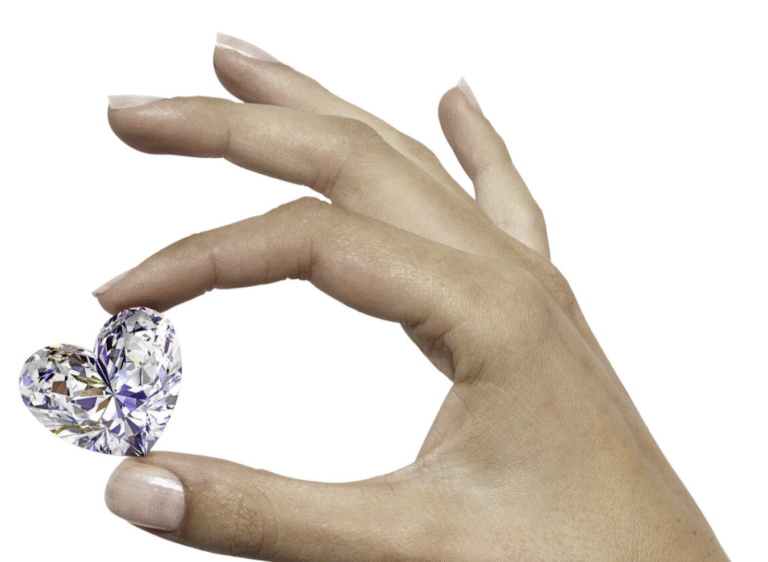
More consumers are turning to eco-friendly diamond alternatives, such as lab-grown diamonds, which offer the same brilliance while reducing environmental and social impacts. These gems represent genuine innovation that solves real problems without requiring consumers to sacrifice quality or beauty.
Lab-grown diamonds possess identical physical, chemical, and optical properties to mined diamonds. They’re not “synthetic” in the diminished sense—they’re real diamonds created through technological processes that replicate natural formation conditions. Advanced techniques like Chemical Vapor Deposition (CVD) and High Pressure High Temperature (HPHT) production allow scientists to grow diamonds that even trained gemologists cannot distinguish from mined stones using standard equipment.
The environmental advantages are substantial and measurable. Producing lab-grown diamonds generates significantly lower carbon emissions compared to mining operations, which often require moving hundreds of tons of earth to extract a single carat. Water consumption drops dramatically. Land disruption becomes negligible. Energy requirements, while still considerable, increasingly come from renewable sources as the industry matures and production facilities invest in sustainable power.
Perhaps equally important are the social dimensions. Lab-grown diamonds eliminate concerns about conflict financing and questionable mining conditions that have plagued the industry for generations. The supply chain becomes transparent and traceable—consumers know exactly where their diamond originated and under what conditions it was created. This transparency represents luxury in its truest sense: beauty without hidden costs, elegance without ethical compromise.
The technology continues advancing at remarkable pace. Early lab-grown diamonds occasionally showed slight color variations or included identifying markers visible under specialized equipment. Today’s stones routinely achieve the highest clarity and color grades, often surpassing typical mined diamonds in quality. Many exhibit fewer inclusions and more consistent characteristics precisely because controlled laboratory conditions allow for exceptional precision.
Market acceptance has accelerated dramatically over recent years. What began as a niche alternative has become mainstream, with major retailers from Blue Nile to Signet Jewelers offering extensive lab-grown collections. Fashion brands like Pandora announced exclusive use of lab-grown diamonds moving forward, signaling industry-wide transformation. Even luxury houses traditionally resistant to change now acknowledge that lab-grown diamonds represent the future.
Cultural Momentum and Market Evolution
The shift toward conscious jewelry consumption reflects profound generational changes in how people relate to possessions and identity. Millennials and Gen Z don’t simply purchase jewelry—they curate collections that tell stories about who they are and what they believe. Social media amplifies this dynamic, turning personal style choices into public statements that influence peer groups and broader networks.
Statistics confirm the trend’s strength. The lab-grown diamond market has experienced double-digit annual growth, with projections suggesting continued expansion for the foreseeable future. Industry analysts predict lab-grown diamonds will capture increasingly larger market share, particularly in bridal jewelry where younger consumers make significant purchasing decisions guided by values as much as aesthetics.
Celebrity adoption has accelerated mainstream acceptance. High-profile figures increasingly choose lab-grown diamonds for engagement rings and red carpet appearances, normalizing these selections and demonstrating that sustainable options carry no social stigma. When influencers with millions of followers embrace conscious jewelry, the ripple effects reach far beyond individual purchases—they shift cultural perceptions about what’s desirable and aspirational.
The integration extends naturally into broader lifestyle ecosystems. Sustainable jewelry pairs seamlessly with minimalist wardrobes built around quality over quantity. It complements eco-friendly accessories—vegan leather goods, organic cotton clothing, vintage finds. The aesthetic aligns perfectly with contemporary design sensibilities: clean lines, timeless elegance, pieces meant to last decades rather than seasons.
Fashion weeks and industry publications increasingly spotlight sustainable jewelry alongside conscious fashion. Editorial coverage frames ethical choices not as sacrifices but as sophisticated expressions of modern values. This narrative shift matters enormously—it transforms sustainability from niche concern to mainstream expectation, from alternative choice to aspirational standard.
Practical Integration: Styling Conscious Elegance
Incorporating sustainable jewelry into your wardrobe requires the same thoughtful curation as building any conscious collection. The principles mirror slow fashion: invest in quality, prioritize versatility, select pieces that resonate deeply and personally. Rather than accumulating numerous items you rarely wear, curate fewer pieces you’ll treasure indefinitely.
Start with versatile foundations that transcend trends and occasions. A classic diamond solitaire pendant works equally well with professional attire or weekend casual. Elegant stud earrings enhance any outfit without overwhelming it. These foundational pieces become daily companions, reliable elements of your personal style that quietly convey both taste and values.
For everyday wear, consider pieces that feel effortless yet polished. Delicate chain bracelets, simple bands, or small hoops provide subtle sophistication that complements sustainable wardrobe staples. The beauty lies in restraint—jewelry that enhances rather than dominates, allowing both your personal style and principles to shine clearly.
Special occasions naturally call for bolder statements, and sustainable options deliver impact without compromise. Dramatic drop earrings featuring lab-grown diamonds, statement cocktail rings with ethically sourced gemstones, or layered necklaces combining sustainable materials create memorable looks while honoring your commitments. These pieces often become conversation starters, opportunities to share how modern jewelry successfully combines beauty with responsibility.
Professional environments benefit from jewelry that conveys polish, confidence, and attention to detail. Tennis bracelets, classic timepieces, or elegant pendant necklaces communicate sophisticated taste. When these items also reflect commitment to conscious consumption, they become extensions of your professional identity—visual representations of the thoughtfulness and integrity you bring to all endeavors.
Building a sustainable jewelry collection mirrors the principles that guide conscious living more broadly. Research matters: seek brands transparent about practices, materials, and supply chains. Look for third-party certifications and clear sustainability commitments. Many companies now publish detailed impact reports, explaining exactly how they minimize environmental footprint and ensure ethical practices throughout production.
Don’t overlook vintage and heirloom options. Repurposing existing jewelry eliminates new production entirely while connecting you to history, story, and heritage. Family pieces carry emotional resonance that new items simply cannot replicate. Estate jewelry from reputable dealers offers unique designs with character and craftsmanship that reflect different eras and aesthetics.
The Value Statement
Choosing conscious jewelry extends far beyond personal adornment—it’s a declaration about what matters, a small but meaningful vote for the kind of industry you want to support and the kind of world you want to inhabit. In an era where consumers increasingly recognize purchasing power as a form of advocacy, jewelry offers a tangible, visible way to align daily choices with deeper convictions.
The transformation occurring in the jewelry industry demonstrates what’s possible when consumer demand meets technological innovation and ethical commitment. We no longer face false choices between beauty and responsibility, between elegance and ethics, between luxury and sustainability. The industry has evolved to make all of these compatible—to offer stunning pieces that enhance our lives without compromising our values or the planet’s future.
This represents more than a passing trend. It’s a fundamental reimagining of what luxury means in the modern world, what jewelry signifies in contemporary culture, and how personal adornment relates to broader questions of meaning and purpose. As conscious living becomes not just acceptable but genuinely aspirational, jewelry that reflects these values becomes symbolic of a new era—one where prestige stems not merely from what we own, but from the thoughtfulness behind our choices and the positive impact they create.
The conscious consumers driving this transformation aren’t waiting for industry leaders to dictate terms. They’re researching, questioning, demanding, and ultimately purchasing in ways that reward companies demonstrating genuine commitment to better practices. This bottom-up revolution proves that meaningful change doesn’t require government mandates or industry-wide agreements—it emerges organically when enough individuals decide their purchases should reflect their principles.
The jewelry industry’s transformation offers a blueprint for conscious consumerism’s potential across all sectors. It demonstrates that industries can evolve, that beauty and ethics can coexist, and that consumer power, when directed purposefully, can reshape markets in profoundly positive ways. As more people embrace this approach—viewing every purchase as an opportunity to support the values they hold dear—the ripple effects will continue expanding, transforming not just jewelry but our entire relationship with consumption, luxury, and what it means to live elegantly in the modern world.

0 Comments