


Oklahoma is one of the top US states for drug use. Fentanyl caused 90% of opioid-related overdose deaths in 2023, compared to 10-20% annually in the years before 2020.
In response, Oklahoma City pain management doctors are prioritizing interventional pain care with minimally invasive and targeted procedures. The movement towards targeted pain management in Oklahoma involves legislative changes, expansion of services by hospitals and clinics, and increased emphasis on non-opioid, minimally invasive treatments.
Specialists help patients living with chronic pain through technology-driven care, patient-centered philosophy, and the balance between innovation and empathy.
The Shift Away from Traditional Pain Management
Traditionally, surgery and pain medication were favored to control chronic pain. Medical professionals, research centers, and government health and social services have shifted towards interventional methods as the opioid crisis worsened in Oklahoma.
The New Health Committee Bill Supporting Chronic Pain Patients
A 2025 bill (OK SB442) updates the Oklahoma Interventional Pain Management and Treatment Act to broaden the role of Certified Registered Nurse Anesthetists (CRNAs) in pain management. It allows CRNAs with certification in Nonsurgical Pain Management to perform interventional procedures (excluding surgical procedures) under the supervision of a licensed physician.
CRNAs cannot prescribe or dispense opioids or other controlled substances for chronic pain outside clinical settings. The bill increases CRNA flexibility while ensuring continued physician oversight and patient safety.
The Rise of Holistic Pain Methods
Pain treatment centers around Oklahoma are practicing new, safe, and holistic methods to help patients with chronic pain. Here is their approach:
- Minimally invasive procedures are preferred over surgery whenever possible.
- Medications are managed carefully to prevent dependency and misuse.
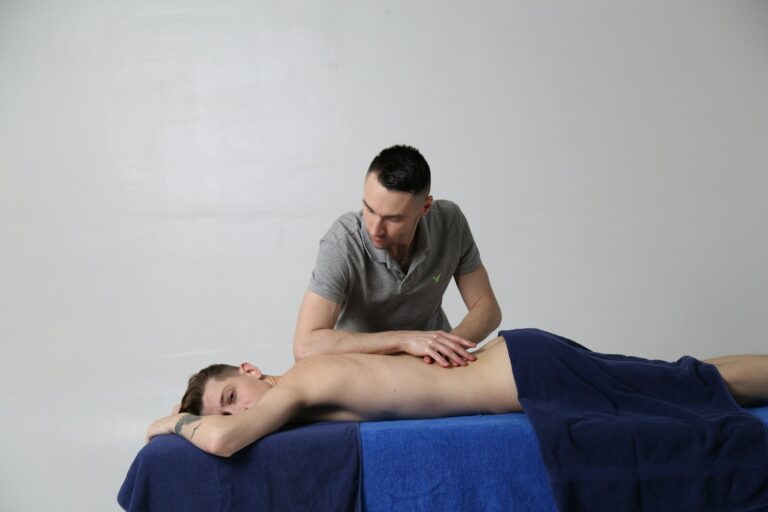
- Complementary options like acupuncture, massage, and counseling support overall recovery.
Oklahoma is advancing interventional pain care thanks to its strong focus on education, medical leadership, and access to care. The state is creating a system that brings together advanced treatments, well-trained doctors, and easier access for patients.
Inside the Interventional Approach
Interventional pain care begins with a detailed assessment of pain levels, range of motion, and lifestyle. This is followed by precise imaging (X-ray, MRI, or fluoroscopy) to identify the cause of the pain. Doctors may use spinal injections to diagnose the source.
Medical specialists administer therapeutic injections after diagnosis. If patients need medication, doctors can discuss safe use of non-opioid and opioid options. Injections are minimally invasive, targeted, and evidence-based.
Common Interventional Procedures
Non-surgical procedures directly target pain sources. Here are some procedures and what they treat:
- Celiac Plexus Block: Targets abdominal pain, often from pancreatic or stomach issues.
- Discogram: Diagnostic injection to identify the painful disc in the spine.
- Epidural Injections: Reduces inflammation around spinal nerves.
- Facet Injections: Supports arthritic pain in spinal joints.
- Hypogastric Plexus Block: Helps manage pelvic pain.
- Intercostal Nerve Block: Relieves pain along the ribs or chest wall.
- Joint Injections: Treats inflammation and pain in joints like the shoulder, hip, or knee.
- Lumbar Sympathetic Block: Targets nerves in the lower back for leg or pelvic pain.
- Medial Branch Blocks: Numbs small nerves supplying the facet joints.
- Occipital Nerve Block: Eases headaches from nerve irritation at the skull base.
- Peripheral Nerve Stimulation: Places small electrodes near nerves to interrupt pain signals.
- Radiofrequency Ablation (RFA): Uses heat to disable pain-transmitting nerves.
- Sacroiliac Injections: Relieves pain in the SI joints of the lower back.
- Spinal Cord Stimulation: Sends mild electrical pulses to the spinal cord to reduce chronic pain.
- Stellate Ganglion Block: Used for nerve-related pain in the neck or arm.
- Transforaminal Injection: Targets specific spinal nerve roots for precision pain relief.
- Vertebroplasty and Kyphoplasty: Minimally invasive procedures stabilizing spinal fractures and reducing pain.
Patients can avoid surgery through these interventional treatment options with board-certified pain specialists.
The Future of Pain Care in Oklahoma
Oklahoma is showing that lasting pain relief doesn’t have to come from surgery or strong medication. Common pain conditions with underlying issues can now be treated with precision-based, non-surgical therapies over opioids and invasive procedures. With new technologies, skilled specialists, and a growing focus on whole-person care, patients have more options than ever to take back control of their lives.
Interventional pain care offers real hope — using safe, targeted treatments that help people move better, feel stronger, and live more comfortably. As Oklahoma continues setting new standards, the message is clear: relief is possible, and a healthier, pain-free future is within reach.
Sources:
- Data | Oklahoma Gov
- Highest Drug Use By City | American Addiction Centers
- OK SB442 | BillTrack50
- Orange Impact: OSU-Tulsa celebrates Main Hall renovation, touts growing workforce development impact in Green Country | Oklahoma State University

0 Comments