


By 2026, payments are no longer just about transferring money from one account to another. They are becoming an integrated part of daily life—embedded into apps, devices, and digital experiences. Consumers now expect payments to be instant, borderless, and intuitive. This expectation reflects a broader market trend: convenience and control have become the primary drivers of financial innovation.
As digital lifestyles expand, the payment industry is responding with tools that reduce friction, increase flexibility, and adapt to global use cases. What once felt experimental is now quietly shaping everyday behavior.
From Digital Wallets to Web3 Infrastructure
One of the most important trends shaping payments in 2026 is the evolution of digital wallets. These are no longer simple storage tools for cards; they are becoming personal financial hubs. Users expect real-time notifications, spending insights, biometric security, and seamless use across devices and countries.
At the same time, Web3 infrastructure is playing a growing role behind the scenes. Decentralized technologies enable faster settlement, greater transparency, and global accessibility without relying entirely on traditional intermediaries. For consumers, this means more choice in how value is stored and moved—often without even noticing the underlying technology.
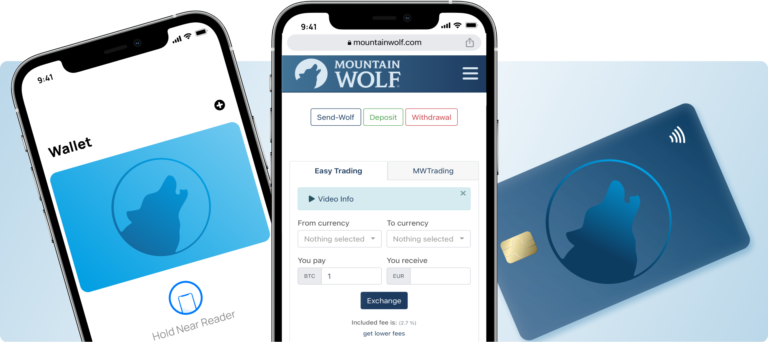
A practical outcome of this trend is the rise of Crypto Cards. These cards allow users to spend cryptocurrencies in real life, just like traditional money. They can be used for internet shopping, at physical point-of-sale terminals, and even for withdrawing cash from ATMs. Mountain Wolf offers a Crypto Card that is instantly ready after verification, compatible with Apple Pay and Google Pay, and can be topped up in real time from any crypto wallet. This type of innovation turns digital assets into everyday payment tools, aligning Web3 ownership with real-world convenience.
Innovation That Goes Beyond How We Pay
Not all payment innovation is tied to crypto or Web3. Many of the most impactful trends focus on improving everyday financial experiences. Contactless payments, automated expense tracking, digital receipts, and instant peer-to-peer transfers are now standard expectations. These features reduce time spent managing finances and help consumers stay organized with minimal effort.
Another important development is the shift toward global usability. Consumers increasingly live, work, and shop across borders. Payment tools that handle multiple currencies, adjust seamlessly to location, and provide transparent fees are becoming essential. This reflects a larger move away from location-bound finance toward systems designed for mobility.
What These Trends Mean for Consumers
For consumers, the biggest benefit of these payment trends is freedom. Faster transactions, fewer intermediaries, and smarter interfaces mean less friction in daily life. Whether paying for groceries, managing subscriptions, or traveling internationally, people want payments that simply work—without complexity or delay.
Innovation in payments is also changing expectations around control. Consumers want to decide how they pay, which assets they use, and when funds move. Tools built on modern infrastructure—such as Web3-enabled wallets or Crypto Cards—support this shift by offering flexibility without sacrificing usability.
Platforms like payment provider Mountain Wolf illustrate how advanced technology can be packaged into familiar, easy-to-use tools. Instead of forcing users to change behavior, innovation adapts to existing habits, making adoption feel natural.
Looking Ahead to 2026 and Beyond
By 2026, the most innovative payment trends will feel less like “trends” and more like standards. Payments will be faster, more global, and more personalized. Digital wallets will act as financial command centers, while Web3 quietly expands what’s possible behind the scenes.
For consumers, this means one thing above all: choice. The future of payments is not about one method replacing another, but about creating ecosystems that empower people to pay on their own terms—simply, securely, and anywhere.

0 Comments